MYCRMS
 Virtual Tour
From CRMS Rope Tow to Running Taos: An Interview with Mickey Blake ’61
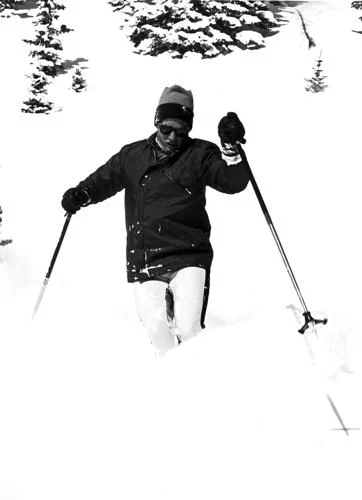
Mickey Blake first met John Holden in 1954 when he brought the CRMS ski team to the downtown ski area in Glenwood Springs, which Mickey’s father managed. Four years later, in 1958, he enrolled at Colorado Rocky Mountain School, a decision that would quietly shape the arc of his life.
CRMS, Mickey recalls, “was a serious work/study school,” and that structure suited him. In those early years, every student held jobs that genuinely sustained the community. His first assignment was shoveling manure out of the Barn so classrooms could be built there.
“I don’t think being chief manure spreader operator taught me much,” he jokes, “except that Troy Laundry did a good job cleaning manure-stained clothes.”
Another notable CRMS chore: nighttime fire drills. “Everyone joined the Bucket Brigade, drawing water in buckets from the Crystal River with a long line extending to the imaginary “Fire!” Not all the water made it to the “fire,” and many soon got soaking wet in freezing weather.”
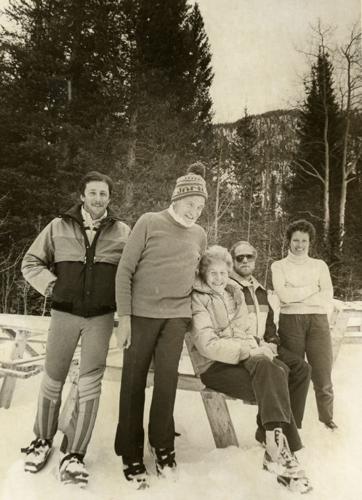
Beneath Mickey’s humor lies something foundational. The work was real. Students weren’t just completing simulated tasks; they were keeping the school running. They loaded hay, repaired fences, washed dishes and pots, cleaned buildings, and handled whatever needed to be done. The expectation was clear: students contributed meaningfully to their community.
Looking back, Mickey sees how deeply that model influenced him. CRMS didn’t separate responsibility from education — it intertwined them. Students discovered their capabilities by doing necessary work, learning early that their effort mattered.
In his junior year, Mickey returned with a driver’s license and was promptly handed the keys to the Red Truck, a dump-bed vehicle. No one asked whether he knew how to operate it. He didn’t. On his first trip to the dump, he accidentally unloaded his assistant garbage man, Eric Saarinen ’61, along with the trash.
That moment, too, reflects the school’s philosophy: teenagers were trusted. They were given room to take risks, make mistakes, and grow. The confidence came from experience, not supervision alone.
Mickey often compares life at CRMS to farm life — steady work, shared purpose, and a strong connection to the land. That connection deepened during Spring Trips. One of his most vivid memories is the long overland hike to Rainbow Bridge in northern Arizona, before Glen Canyon Dam flooded Lake Powell and transformed access to the site. More people now visit Rainbow Bridge in a weekend than hiked there between 1906 and 1959. Mickey knows how fortunate he was to experience it the hard way.
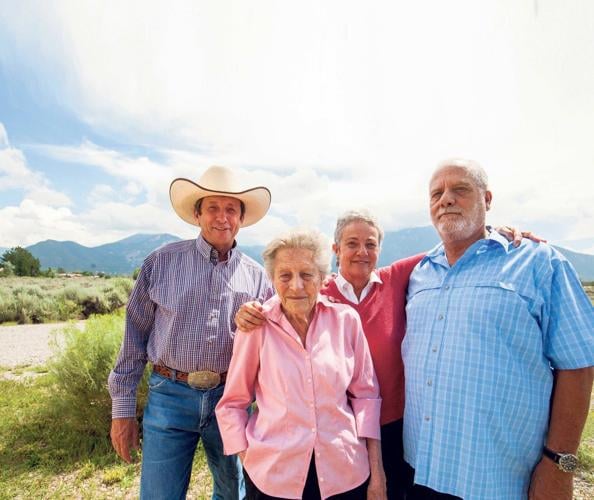
Those trips did more than create memories; they sparked intellectual curiosity. The exposure to the landscapes and cultures of the Southwest ignited his interest in anthropology and archaeology — interests that continue to shape his life today. Even in retirement, he continues to work on archaeological field surveys, often for the U.S. Forest Service.
Mickey credits the school’s emphasis on critical thinking, reasoning, and thoughtful discussion as preparation for everything that followed: academic study, military leadership, and business management.
Another pivotal CRMS experience was building the drive mechanism for the school’s rope tow using Ford Model A parts scavenged from “Misery (sic) Heights” with faculty member David Black. That project blended creativity, collaboration, and practical problem-solving.
After graduating in 1961, Mickey earned a degree in anthropology from the University of Denver (DU) and completed archaeological field school under Professor Florence Ellis of the University of New Mexico (UNM), later continuing graduate study there. He believes his willingness to “dig and dig all day”, a habit formed at CRMS, helped win her respect. So may have his repairing the field school’s bus at Mesa Verde using a nail file to adjust the valves.
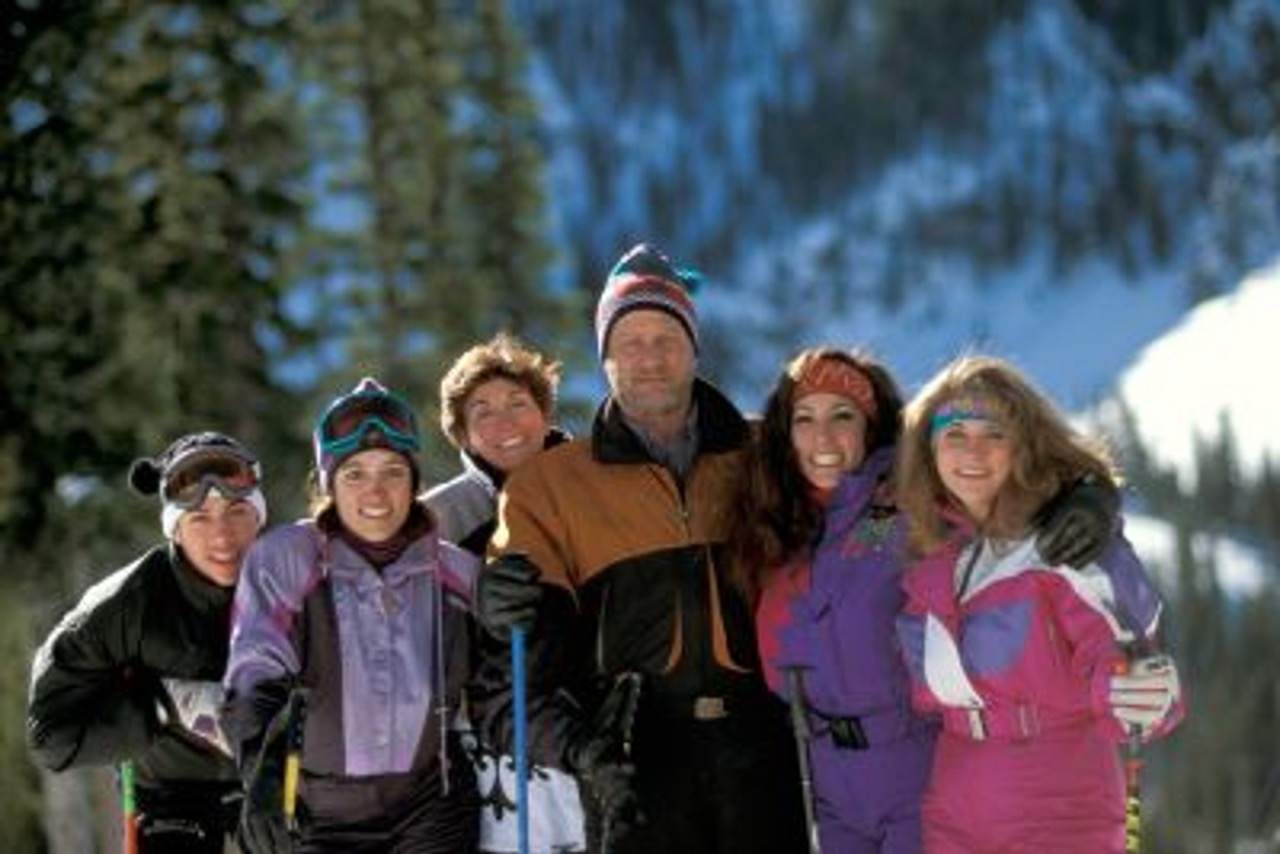
While at UNM, he joined the New Mexico Army National Guard and eventually commanded the Taos unit. The leadership and personnel management skills he developed there became invaluable when he returned home to help manage his family’s expanding ski area.
Though he had competed on the ski team at CRMS and as a freshman at DU, competitive skiing gave way to responsibility. As the Taos ski operation grew, Mickey stepped in — first focusing on lift operations and maintenance, then assuming broader business leadership. He later earned an MBA, continued his military service, married, and raised four children — all while helping guide the Taos ski area through six decades of growth.
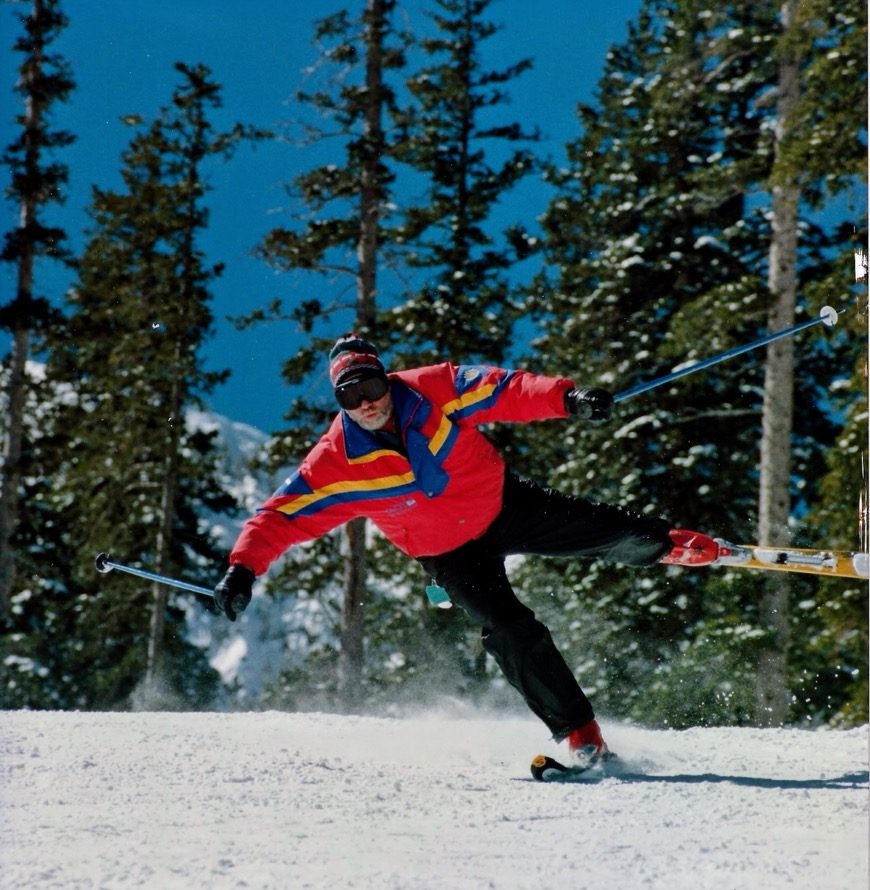
Now, with more than 50 years in the ski business and still skiing in his eighties, Mickey sees clearly how CRMS shaped him.
The school believed in teenagers — in their ideas, their energy, and their capacity for real responsibility. It provided meaningful work, connection to the natural world, and opportunities to collaborate and create. It created a community where students could take risks, learn from mistakes, and build genuine confidence.
For Mickey, CRMS was not simply preparation for college or career. It was the place where he learned to contribute, think critically, lead teams, and participate thoughtfully in the world around him.
From rope tows built out of Model A parts to running a major ski area, the through-line is unmistakable: CRMS cultivated the habits of work, curiosity, resilience, and responsibility that shaped a lifetime.