MYCRMS
 Virtual Tour
Raym Geis ’71: “What Can I Do to Help You?”: How CRMS Shaped Raym’s Life in Medicine, Technology, and Mentorship
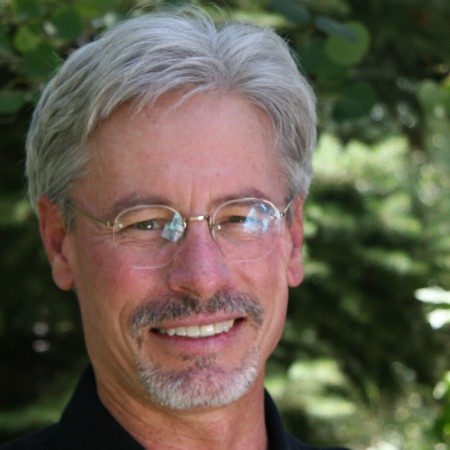
It’s hard for Raym to choose a favorite memory from his time at CRMS. “It was equal parts wilderness, grit, and joy.” He has vivid memories of cross-country skiing, gliding down summer hiking trails, or weaving through aspen groves, executing “gorilla turns” by grabbing a tree trunk to pivot and avoid snapping a ski tip.
But when Raym reflects on what truly shaped him, he doesn’t begin with adventure. He begins with teachers.
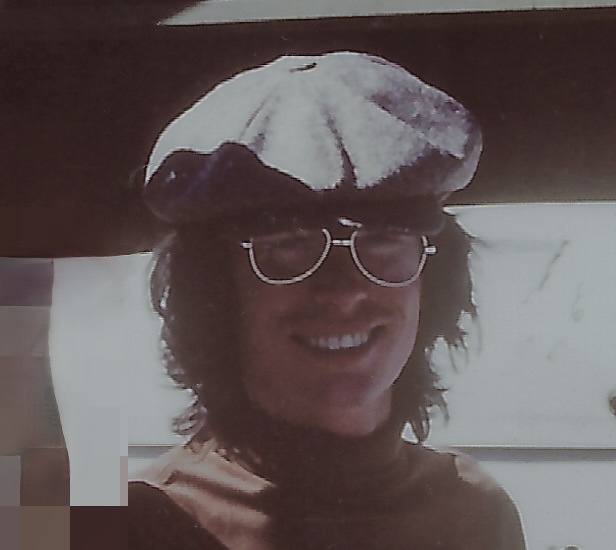
For his generation, Roger and Jackie Paris defined what it meant to take the outdoors seriously. Their influence extended far beyond skills. Even today, when Raym meets CRMS friends on a river or a steep ski slope, little needs to be said beyond, “We go.” It’s both question and answer — a shared ethic of commitment and trust forged decades ago.
Fritz Ertzinger — French teacher, advisor, mountaineer — taught Raym something quieter but equally powerful: how to be strong and quiet at the same time. “Not that many would describe me as quiet,” Raym laughs, “but I feel I’m better for his efforts.”
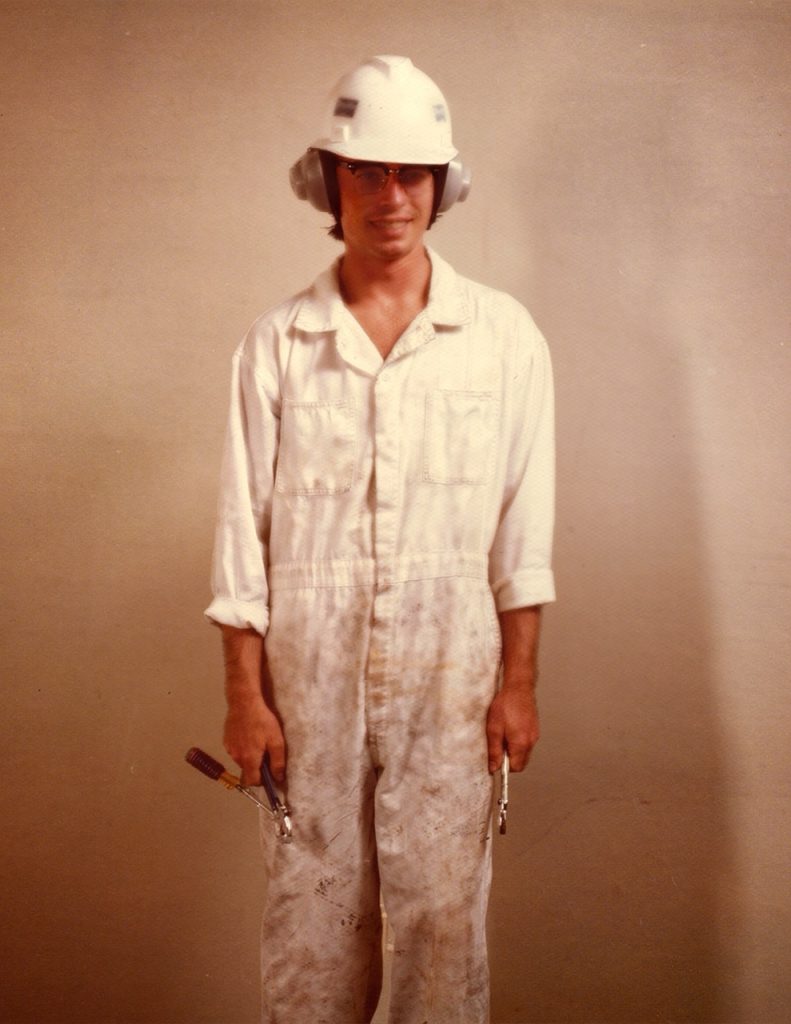
Yet it was a single moment his senior year that would echo across his entire life.
Anne Fuller taught him how to write. Her husband, Martin Fuller, taught physics — during a year when Raym had largely checked out academically. One day, unprepared and unfocused, Raym replaced an answer on a physics exam with a short satirical essay instead. The next day, Martin met with each student individually. When it was Raym’s turn, Martin stared at the paper in silence before finally looking up and asking, gently, “What can I do to help you?”
That question landed hard.
“I realized he had given his all for me, and I had let him down,” Raym says. It took months for the weight of that moment to settle — and then transform into resolve. From that point forward, he tried never to let Martin down again.
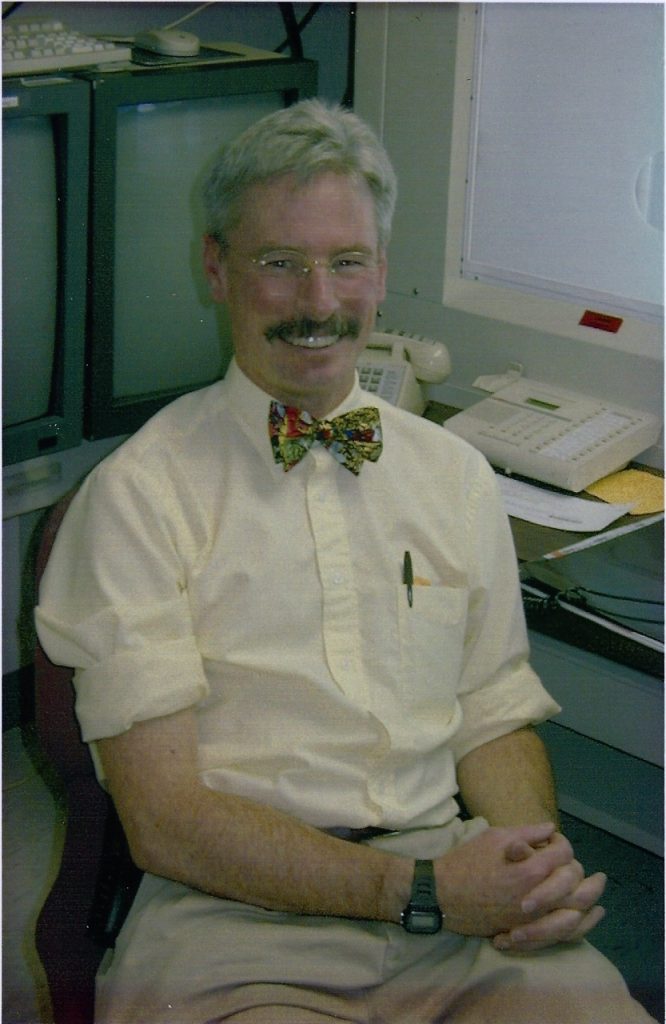
Through biochemical engineering studies at Carnegie Mellon University, graduate work at Stanford University, and even a challenging physical chemistry course taught by Nobel laureate Paul Flory, Martin’s influence lingered. Each academic success carried a quiet echo of that conversation. After doing well in Flory’s class, Raym’s instinct wasn’t celebration — it was writing to Martin, knowing his former teacher would be glad to see him on his way.
Raym’s professional path would prove anything but linear.
He coded software for accounting firms, worked on membrane transport for artificial organs, troubleshot chelate production at a large chemical factory on a beach in Oxnard, modeled ion transport in eyeballs, helped develop artificial lungs, and became a family physician, even working briefly in Carbondale. He worked as an ER doctor, and ultimately practiced radiology for decades. Later, he transitioned into radiology IT and digital imaging systems, and even taught at Moi University Medical School in Eldoret, Kenya.
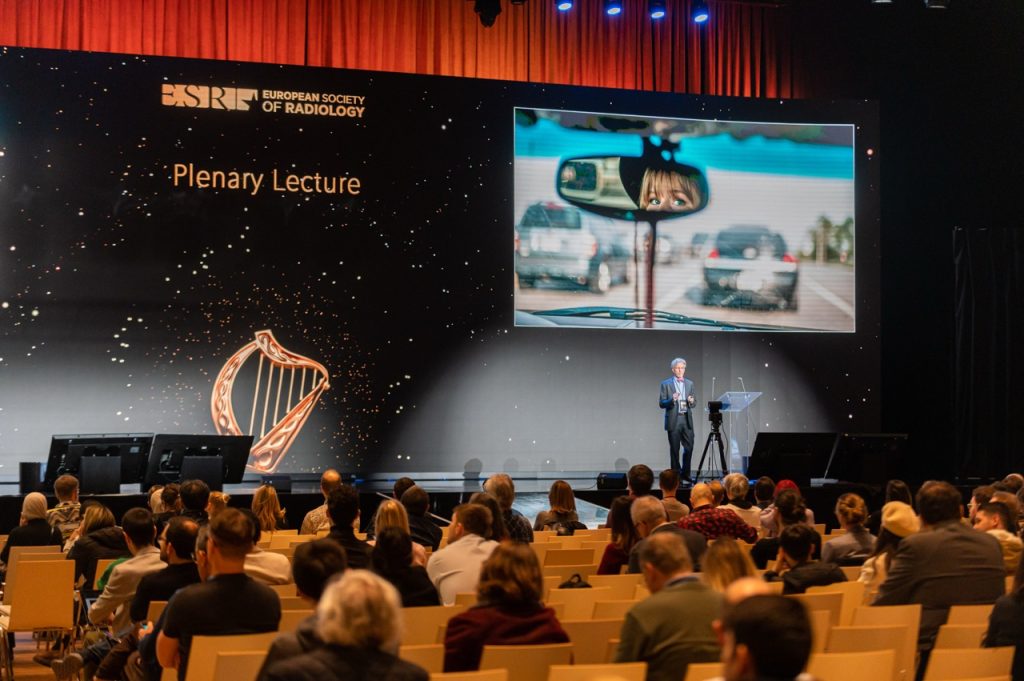
About a decade ago, as artificial intelligence surged into healthcare, Raym found himself at a crossroads again. When IBM purchased a radiology data storage company in a billion-dollar bid to power Watson AI, and AI pioneer Geoffrey Hinton predicted radiologists would soon be obsolete, the field was thrown into upheaval.
Rather than retreat, Raym leaned in.
Radiology AI, he says, works well in narrow circumstances—but it must be carefully monitored. What has inspired him most is not the hype, but the global community of thoughtful, brilliant collaborators working to ensure AI improves patient care responsibly.
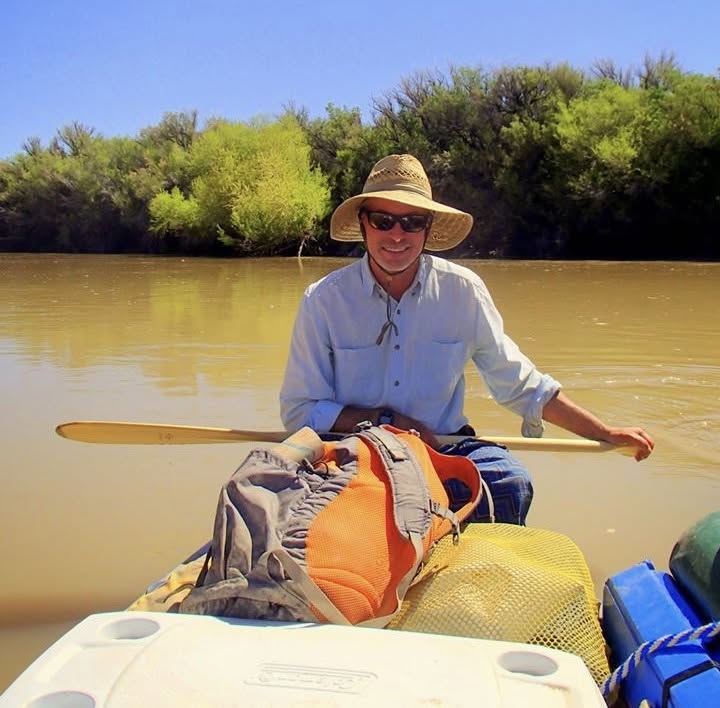
In recent years, Raym has tried to emulate Martin Fuller — sponsoring young professionals, opening doors, and offering encouragement. The lesson that changed him at CRMS has come full circle.
“It’s been a fun life,” he reflects. “And CRMS had much to do with it.”
At CRMS, Raym learned how to move decisively through aspens, how to be strong and quiet, and perhaps most importantly, how one sincere question can redirect a life.
What can I do to help you?