MYCRMS


 Virtual Tour
College Counseling
At the heart of our college counseling program is a simple but powerful belief: every student deserves a college experience that fits them — not the other way around. Beginning in 9th grade and continuing through senior year, each student is guided along a unique Path of Purpose — a personalized journey of self-discovery, academic growth, and intentional planning that leads to the right college fit.
Our primary goal is to help students identify colleges and universities that are the best match for their unique personalities, strengths, interests, and needs, while supporting families every step of the way through the application process. We don't chase rankings or prestige for its own sake. We chase fit — and we believe that when students land in the right environment, they thrive.
A Path of Purpose:
From 9th Grade to College Acceptance
The Path of Purpose is a comprehensive framework to maximize the CRMS experience and fully develop as a person, student, athlete, artist, and citizen.
As a college-prep school, we help students prepare for the next phase of their lives by understanding who they are, developing intellectual agency, and exploring the breadth of our program so they can pursue their talents and passions.
View the CRMS Path of Purpose framework.
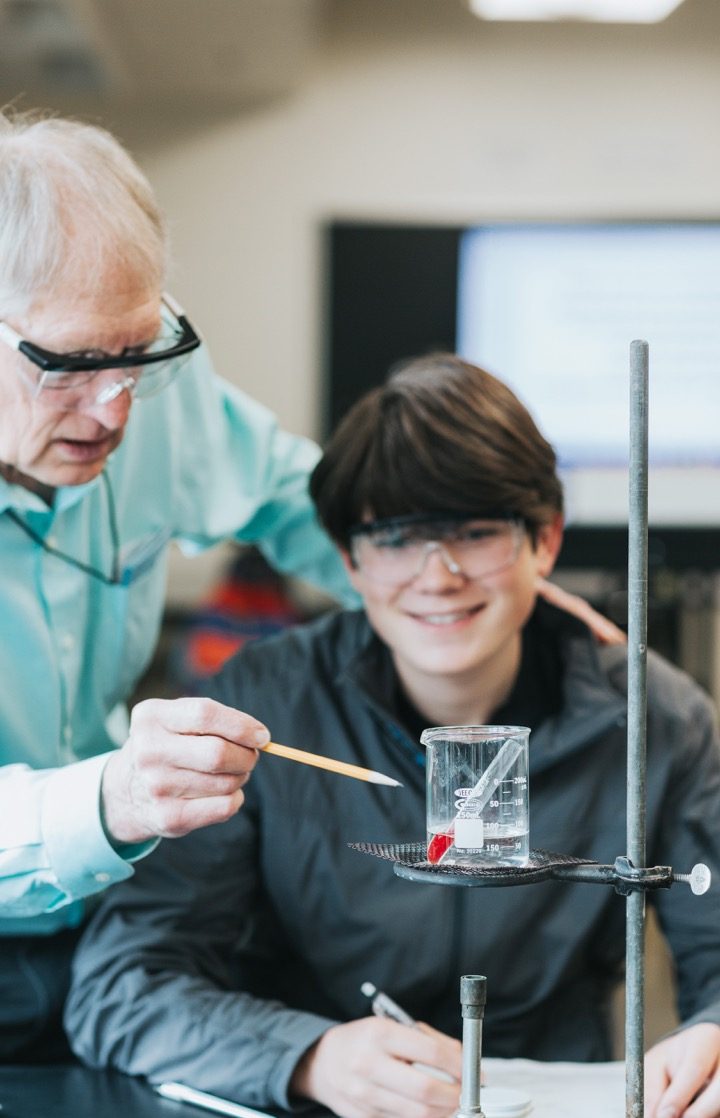
9th Grade Foundations & Exploration
In 9th grade, students acclimate by establishing the foundations for a successful CRMS career with a developmentally appropriate emphasis on organization and executive skills.
Students will ask questions about who they are as individuals and as students, identifying their strengths and passions, and beginning to explore the breadth of learning that CRMS offers. Students appreciate the importance of being mindful, knowing when to ask for help, and the importance of wellness to a balanced life.
The focus for 9th grade is intentionally adaptable to each student and to lay the groundwork for becoming a student with a spirit of adventure and enthusiasm for learning.
The Skills, Habits & Attitudes we focus on are:
Develop core values: respect, responsibility, and excellence
Engage with creativity, exploration, and connection
Build study, organization, and personal management skills
Embrace growth over results
Practice courage in trying new things and learning from feedback
Begin developing self-awareness, independence, and a sense of purpose
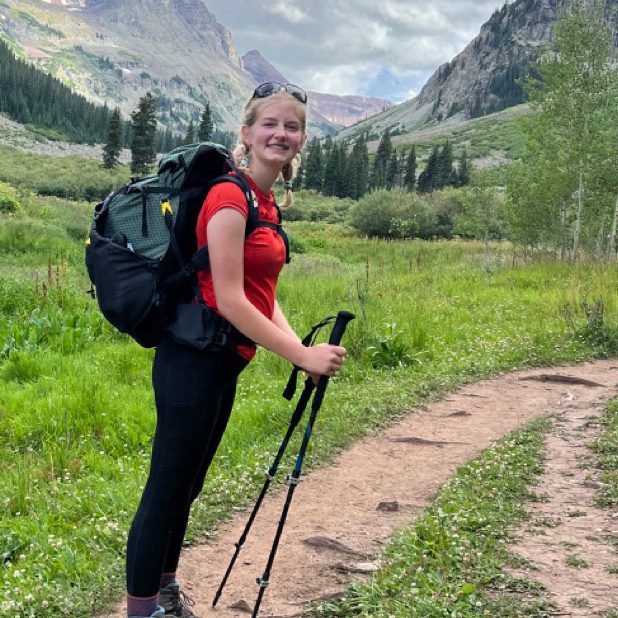
10th Grade Transference & Intentionality
In 10th grade, students transition from concrete to more abstract thinking as expectations increase and they are asked to do more. They will develop an ability to transfer their skills and learning across all aspects of the CRMS program, especially between disciplines and learning environments.
Their emerging sense of identity as individuals and as students will lead them to be more mindful and intentional in their choices within a healthy culture that prizes well-being and balance.
They will learn that work comes before play, and they need to prioritize their responsibilities to meet their rising expectations.
The Skills, Habits & Attitude we focus on are:
Build on 9th grade foundations
Deepen self-awareness and identity
Explore breadth of CRMS program
Set early academic and personal goals
Find through lines across the program
Build meaningful relationships with peers and faculty
Consider potential impact
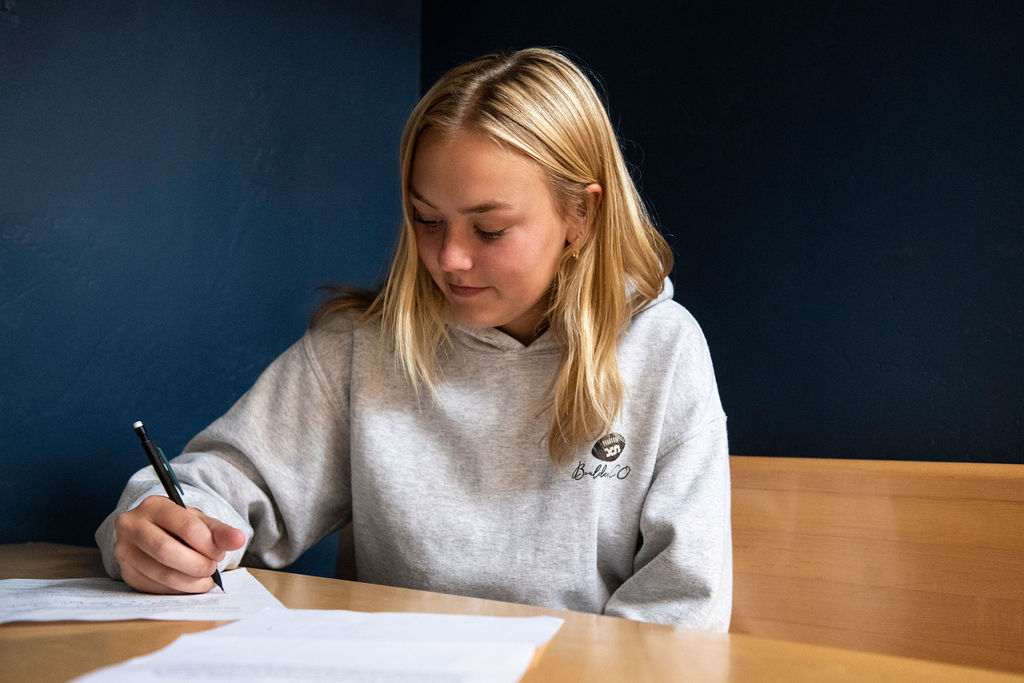
11th Grade Ownership & Impact
In 11th grade, students begin to assume full ownership over their learning and growth as their academic and programmatic choices expand. Their sense of individual freedom and responsibility grow considerably from their 10th grade year as they are asked to consider the impact they are having on their community and what they want their lives to look like beyond CRMS.
Students actively contribute to the school’s healthy, balanced culture by modeling engagement and well-being for their younger peers. 11th graders begin to engage seriously with the college process by reflecting on their talents and passions, the sense of identity they've cultivated in 9th and 10th grade, along with their aspirations and goals for their future.
The Skills, Habits & Attitude we focus on are:
Identify areas of focus
Continue growth arc from 9th and 10th grade
Own personal and academic direction
Deepen identity, aspiration, and sense of impact
Integrate learning across programs
Build self-awareness and empathy
Explore impact opportunities in academics and community
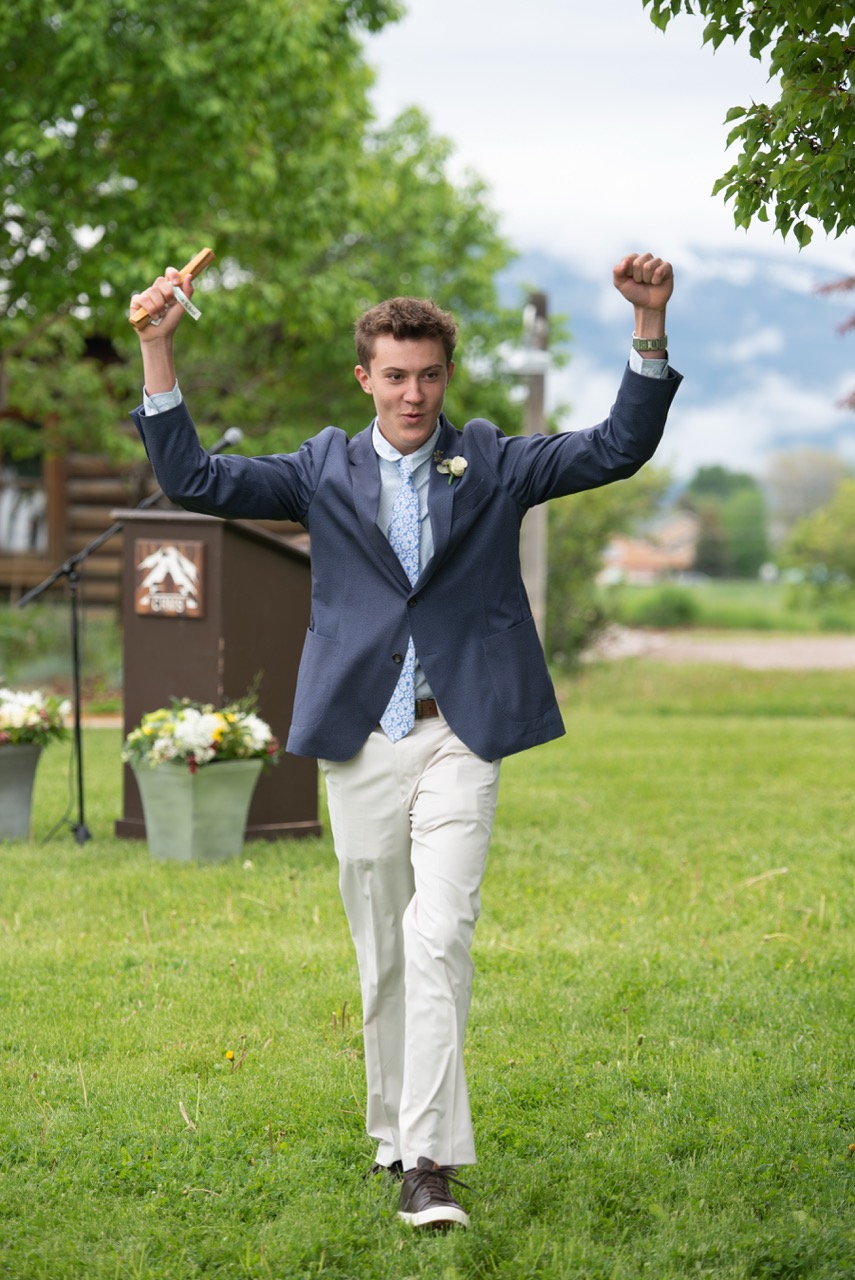
12th Grade Leadership & Legacy
In 12th grade, students are leaders in the community, shape school culture, and must consider the legacy they wish to leave as they prepare to head out into the world. They will set examples for other students and pass down lessons learned through daily interactions and in their Senior Speeches.
As leaders across all aspects of the program, 12th graders set the standard for their peers in finding a balance between fulfilling responsibilities while being mindful of healthy behaviors and wellness.
The fall is dedicated to the college application process while the spring focuses on their captsone Senior Project as students simultanously affirm their legacy and set the course for their next chapter after CRMS.
The Skills, Habits & Attitudes we focus on are:
Lean into talents and leadership opportunities
Hone personal leadership style with confidence, honesty, and principle
Engage authentically as a community member
Recognize the power of a connected life
Embrace growth as a lifelong journey
Take initiative — don't wait for the world to come to you
Consider the legacy you will leave
Frequently Asked Questions: